This was originally posted in September 2023, since then my learning has developed and my views have changed. Below is an edited version to align with where I am today on the 6th August 2025.
When we delve into the world of football, we find its beauty intertwined with the breath-taking synergy of teammates, orchestrating moments of brilliance to unlock even the most resolute defences. Picture a pair of midfielders passing through opposition, their connection seemingly telepathic. This fluid connection between players paints a vivid canvas where the team in possession flows and weaves their way toward the goal.
We aim to unravel how we can create an exhilarating environment, filled with opportunity and freedom, where players can be creative and discover the boundless ways to connect with their teammates during possession. Furthermore, we’ll journey into the realm of defining group patterns like the ‘one-two’ or ‘third man run’ as emergent structures, all while embracing ecological dynamics in our practice design.

The infamous Arsenal goal vs Norwich City
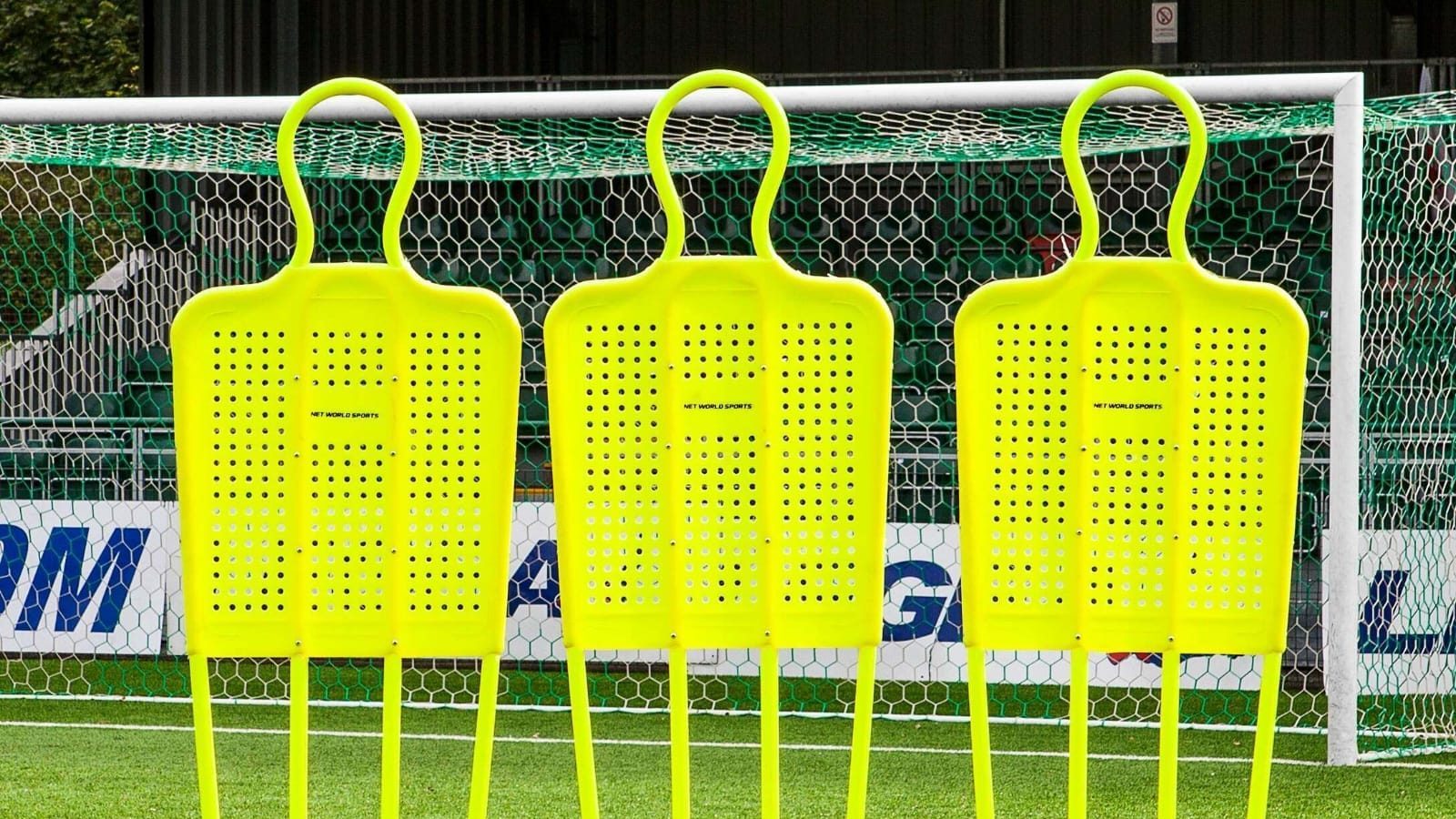
Too often, albeit passionately, coaches will plan and deliver the topic of ‘combination play’ and ‘one-twos’ meticulously taught to the group through repetitive passing pattern drills, complete with lifeless mannequins and a barrage of instructions dictating when, how, where, and to whom to pass. Coaches shout deliberate commands, tirelessly correcting perceived ‘errors,’ demanding immediate ‘high tempo’ from the outset. Players are instructed on their body positions and the precise surface of their foot to be used when encountering a specific mannequin in the routine. They pretend there’s opposing pressure while constantly checking their shoulders hopeful the mannequin might have moved. However, such a structured approach takes away vital elements of adaptability and understanding from the athletes.
What do players experience in this example of exaggerated practice? They are limited to one way of passing, one predefined direction, a single method to configure their bodies for an expected return, and an unwavering insistence on fast passes. They are demanded to turn their heads left and right, regardless of the context. It is impossible to scan for clues, absorbing information about the defender’s body shape, approach angle, and speed—details that could inform adaptation. This method fails to mirror the complexities of the actual game, where players must think on their feet, solving real challenges posed by a dynamic and unpredictable environment.
What is an Emergent Structure in football?
An emergent structure refers to how players spontaneously organise themselves on the pitch during a match. It’s about their positioning, movement, and coordination in response to the ball, the space, the opposition, and their teammates. This structure is not predetermined; rather, it emerges organically as players react and adapt to the evolving dynamics of the game. It’s a dynamic and ever-changing pattern that takes shape through the interactions of players on the field. Examples include the ‘one-two’ and the ‘3rd man run’, but football’s global tapestry reveals various emergent structures, from the ‘tabela’ to ‘toco y me voy’ and ‘escadinha’ in Brazil mentioned in one of our previous articles:
To truly develop emergent structures like the ‘one-two,’ ‘up, back, and through,’ and ‘3rd man run,’ we must embrace an approach that acknowledges the dynamic nature of football. The coach can’t dictate every movement; instead, players must be given the freedom to adapt and innovate. It’s the players themselves who are in control of these emergent structures on the pitch. In reality, these structures evolve and adapt based on the constantly shifting variables of the game, including the opposition’s movements and the unique qualities of each player.
They are dependent on the participants and how they recognise opportunity to connect with each other, they will make decisions based off where the opposition is, where space is, where the ball is and where their team mates are and these will be constantly changing throughout the match.

Tottenham Hotspur 3rd man run vs Leicester City
These emergent structures are rooted in the players’ recognition of opportunities to connect with one another. They make split-second decisions based on the positions of opponents, the ball, and their teammates, and these decisions are in constant flux throughout the match.
The potential for an emergent structure exists in every moment of the game. For instance, a one-two only requires two teammates and a ball, regardless of their location on the pitch. How they execute the one-two depends on various factors: where the ball is, where the opposition is, where their teammate is, and the overall game context. Are they advancing the ball or escaping pressure?
In contrast to the rigid practices that attempt to pre-plan every move, we should strive to create training environments that mirror the richness, complexity, and challenges of real football. This means moving away from a deconstructed version of the game that molds athletes into a linear, homogenised style of play and thought. Athletes should be able to adapt to a variety of movements and situations, responding dynamically to the ever-changing game environment. Ensuring the representative information is always present ball, space, opposition and teammate.
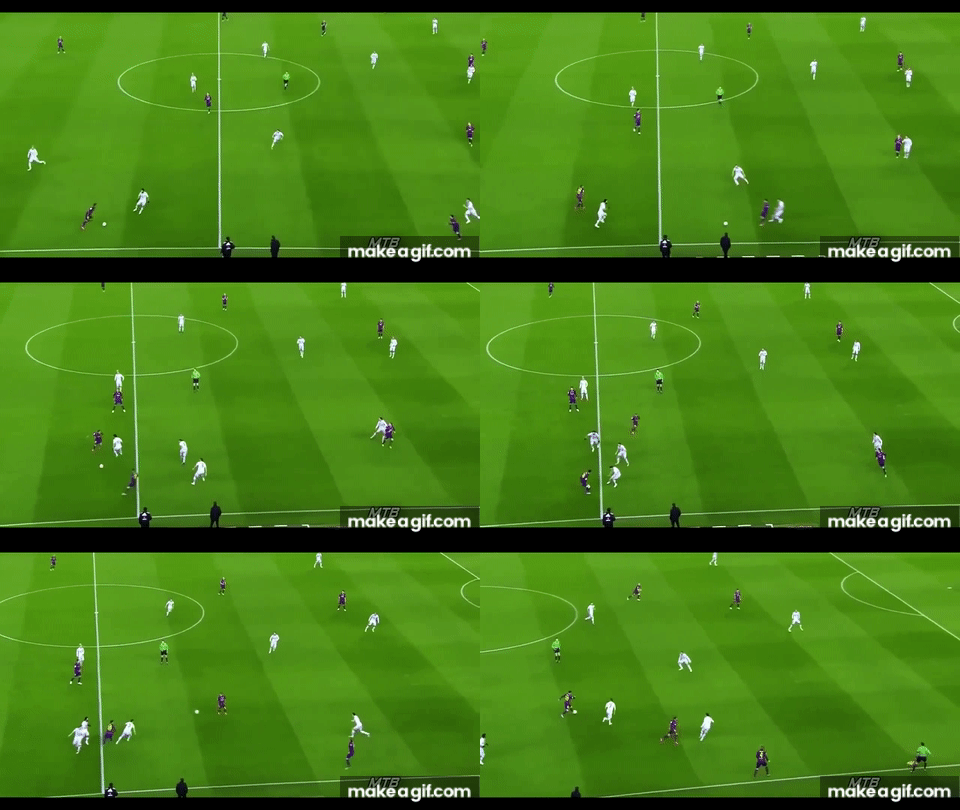
Lionel Messi and Dani Alves showcasing one-twos
Take, for instance, the fluid and unpredictable nature of players like Dani Alves and Messi in the image above. They excel because they are acutely aware of each other’s positions and readiness to receive the ball. They adjust their tempo, choosing between quick and deliberate play based on real-time observations. While their positional training plays a role, the presence of dynamic opposition is a constant stimulus. Whether the opposition is numerically underloaded, overloaded, or balanced, it influences how these players adapt their movements and decisions.
Emergent structures are shared patterns that develop through perceived opportunities
What can the Ecological Dynamics Approach do for me?
So, how can the Ecological Dynamics approach benefit us? Using this lens in session design provides an environment brimming with opportunities and challenges, fostering player self-organisation. Emergent structures naturally develop, and the relationships between teammates flourish. Players must gather information to recognise pressure from dynamic opponents, prompting constant adaptation of intentions and actions. The opposition, in turn, learns and begins to anticipate in-possession patterns, pushing for an evolution of emergent structures. Players analyse and adjust their body shape, pass type, speed of movement, and direction, all in response to the ball, space, teammates, and opponents.
The more often players are exposed to situations rich in these elements, the greater their repertoire of potential solutions becomes. Coaches play a vital role in creating and highlighting these moments through diverse session designs and a range of player interactions, interventions, and coaching strategies. Going beyond representativeness can aid in their development. Understanding the relationship between a coach’s planning and practice design before training as well as their behaviours, language and adaptations live in practice can lead to purposeful and deliberate learning for both coach and player.
Repetition without repetition
‘Practice does not mean to mechanically repeat the same solution to a given task, but, to repeat over and over, the process of solving the task itself.’
Bernstein, N. A. (1967). The coordination and regulation of movements
Repetition, without mindless redundancy, should be a hallmark for all practice design. When designing coaching practices, the aim is to create an environment where players explore a variety of emergent structures to find success. Ensuring repetition of the process of problem solving occurs naturally, driven by a dynamic and unpredictable game environment.
It is crucial that players have the opportunity to gather information and assess to prepare their solutions intentionally. For example, consider the scenario where players in an end zone stay patient on the ball, giving those on the pitch time to reorganise and strategise. When players explore new ideas and strategies, they should not feel rushed or judged; the emphasis is not on ball speed but on gathering information (seeing/hearing/feeling) in play and building connections with teammates. The priority is making the “best decision” rather than the “first decision,” recognising that this will vary depending on individual abilities and the situation at hand.
There is no limit to the actions and ideas the in-possession team can employ to achieve success. Coaches should not look for a specific outcome; instead, the conditions and challenges serve as problems for the players to solve, prompting players’ attention toward potential emergent structures and relationships they can build. Opposition is essential to allow for co-adaptation between defenders and attackers, pushing attackers to evolve both individually and collectively.
Furthermore, teams should be given the opportunity to discuss the challenges and conditions within the environment, facilitating idea-sharing, reflection, and exploration. This can be accomplished through coach-provided objectives or talking points, but the players themselves should be the primary contributors to the discussion.
Practice design
This is one of my favourite topics to focus on in coaching. The returns are always amazing and the players are empowered to problem solve individually and as a collective. The practices below have been adapted many times by myself as well as collaboratively with other coaches to become what it is at the moment, and I hope they will continue to evolve within your environment. I utilise both differential learning and constraints led methodologies which underpin all of my practice design, both of these fall under an ecological dynamics approach.
Below are some examples of the practices I have used to encourage emergent structures (combination play) with premier league academy players.
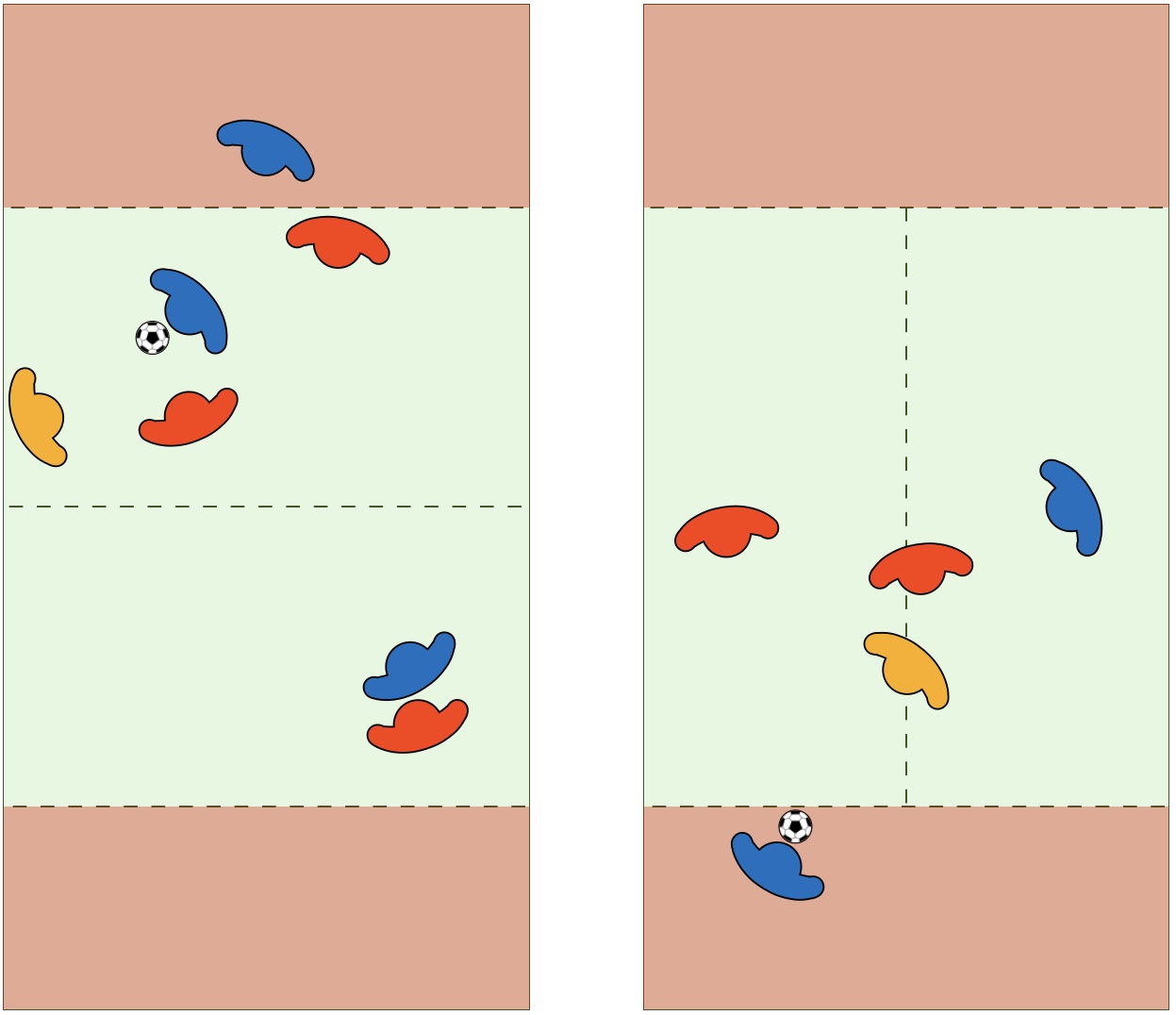
The practice principles are present in all 3 examples below and should be consistent throughout. Below each diagram are the unique organisational and constraints or challenges for each type of session design.
Practice principles
Organisation
- Scoring zone is beyond the active offside line or to End Zone player
- To enter the Scoring Zone or find the End Zone player it must be done with a first time pass over the halfway line/into scoring zone/into end zone player
Potential progressions
- Use of different equipment- size 4/futsal/size 5 etc.
- Must play an ‘over’ pass over the halfway line/into scoring zone/into end zone player
- Must play a ‘through’ pass over the halfway line/into scoring zone/into end zone player
- Must play an ‘around’ pass over the halfway line/into scoring zone/into end zone player
- Under head height only
- More points scored if pass is over/through/around
3 v 3 + 2
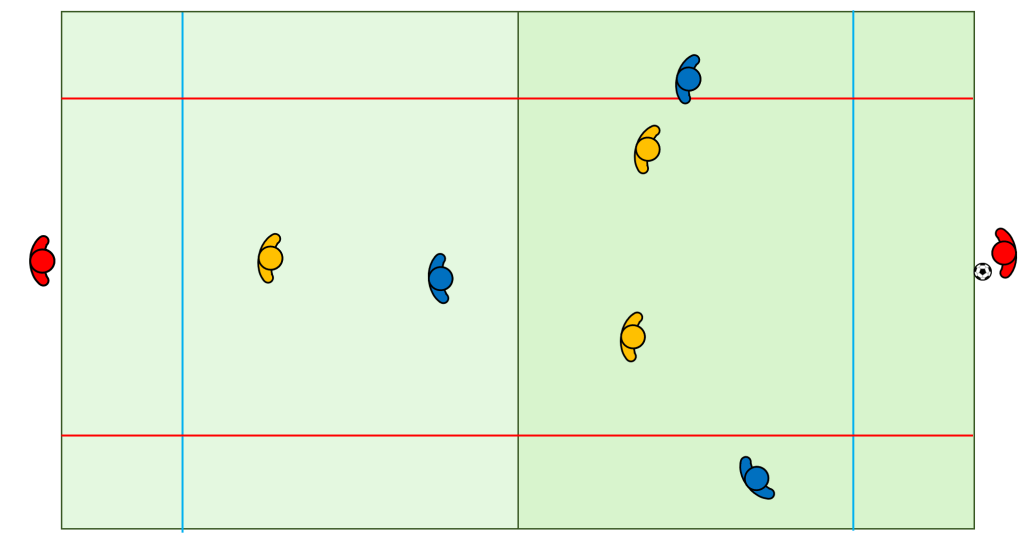
Organisation
- 3v3 + 2 (end zone players)
- Area is set up with 3 pitches- Red (long and thin), Blue (short and wide) and Black (long and wide)
- Randomly the coach/players will call out a new pitch in play (practice should not be stopped)
- Team in possession should alternate between each end zone player
11 v 11
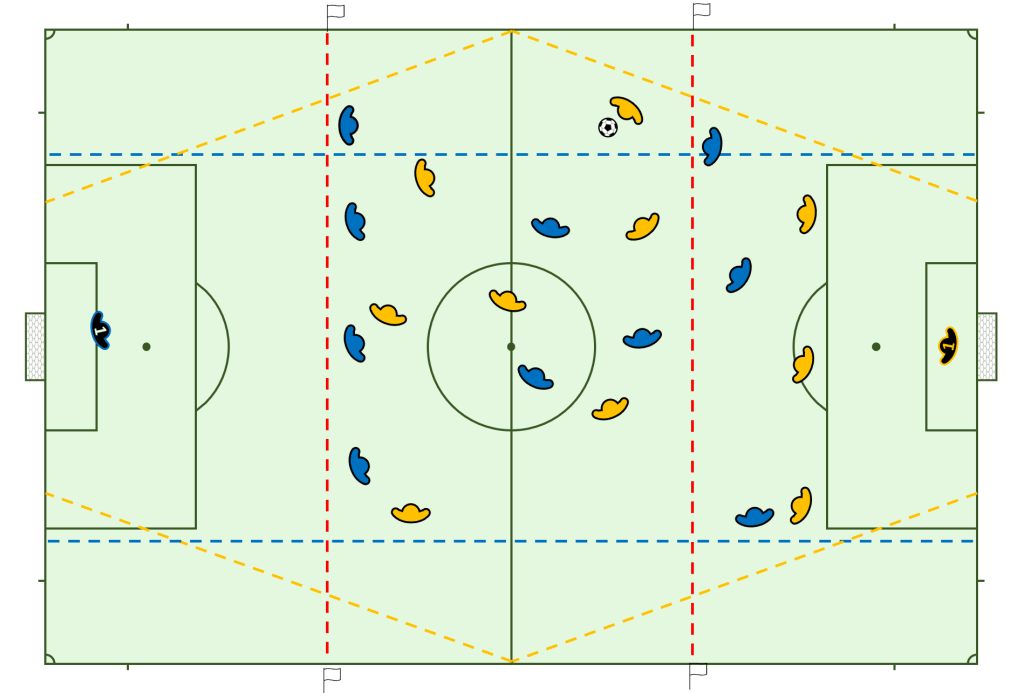
Organisation
- Pitches available are Red (high defensive line), Blue (narrow pitch), Yellow (diamond pitch)- each pitch increases the value of either over/through/around through combination play
- Potential conditions and challenges
- First time pass across offside line or halfway line
- Number of first time passes (in attacking or defensive half) = additional points if a goal is scored
- Team in possession must alternate direction of pass – horizontal or vertical
- Can not pass to the same unit (forwards/midfield/defence) and/or must alternate between units with each pass in defensive half
Conclusion
The beauty of football lies in the breathtaking synergy between teammates as they navigate the pitch, outwitting opponents and creating emergent structures that define the game’s fluid nature. Coaches play a crucial role in fostering an environment where players can explore limitless ways to connect with their teammates in possession.
Traditional coaching methods often involve repetitive passing pattern drills with rigid instructions, prescribing every aspect of the players’ actions. However, these practices fail to capture the essence of emergent structures in football. Emergent structures, such as the one-two and the third man run, are spontaneous patterns that develop from shared affordances and the ever-changing dynamics of the game.
To nurture emergent structures, coaches should utilsie an ecological dynamics approach in their session design. This creates an environment rich in opportunity and challenge, encouraging players to self-organise and adapt. Players must scan for pressure from dynamic opposition, forcing them to adjust their intentions and actions continually. Encouraging athlete-environment symmetry, to become a skillful performer they need to establish a relationship between themselves and their environment and not based on their knowledge or any pre-made decisions, closely linked to perception-action coupling.
Repetition without repetition occurs naturally within an ecological dynamics practice due to the game environment and relevant conditions. Prescribing solutions is counterproductive; players must have the freedom to explore and discover the best decisions based on their unique abilities and the evolving game situation. Understanding that athletes best perform when they can self-organise within a dynamic environment and adapt their movement solution to their attention and intentions.
In this approach, gathering information (seeing/hearing/feeling), assessing the game state, and patient decision-making take precedence over speed. Players should strive to make the “best decision” rather than the “first decision,” recognising that success may vary depending on personnel and the situation.
Opposition is essential for co-adaptation between attackers and defenders, prompting constant evolution in players’ intentions and actions. Furthermore, creating opportunities for teams to discuss challenges and constraints fosters a collaborative environment where players can share ideas and reflect on their strategies.
In embracing Ecological Dynamics Approach, coaches empower their players to become adaptable, creative, and intelligent footballers who thrive in the ever-changing landscape of the beautiful game. Ultimately, it’s the players who are in control of the emergent structures on the field, and the coach’s role is to facilitate their development through thoughtful session design and guidance.
 the Raumdeuter.
It makes me really happy to see this thoughts around football people!
There is still hope to improve in the future. Thank you Aslan!
LikeLike
It makes me really happy to see this thoughts around football people!
There is still hope to improve in the future. Thank you Aslan!
LikeLike