What needs to be in practice design for transfer of learning
Building upon the insights shared in part 1, where we delved into the nuances of transfer (near and far) and design practices that optimise player learning for peak performance in competitions. In addition, we included theory to support our writing and practical examples to analyse where they might sit along the ‘Near and far transfer spectrum.’
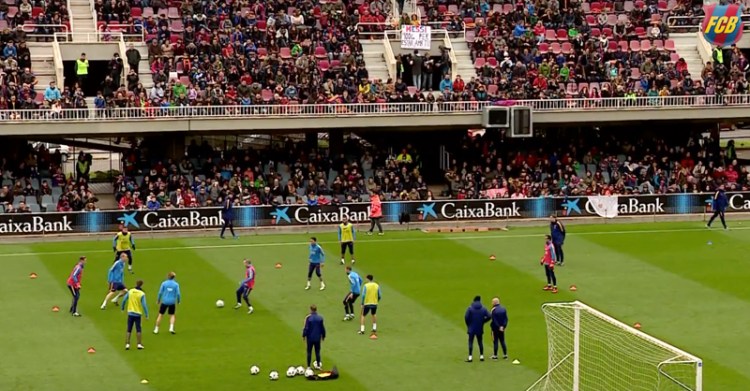
This sequel extends our exploration, shifting the focus to the practical realm of representative practice design. We’ll outline the four key components that contribute to crafting representative practices, fostering near transfer for players and developing adaptable skilful players. Anchored by ecological pedagogy, this methodology enriches our football practice planning with purpose and direction, always guiding our ‘how’ in the quest for effective player development.
Good ingredients without a set recipe
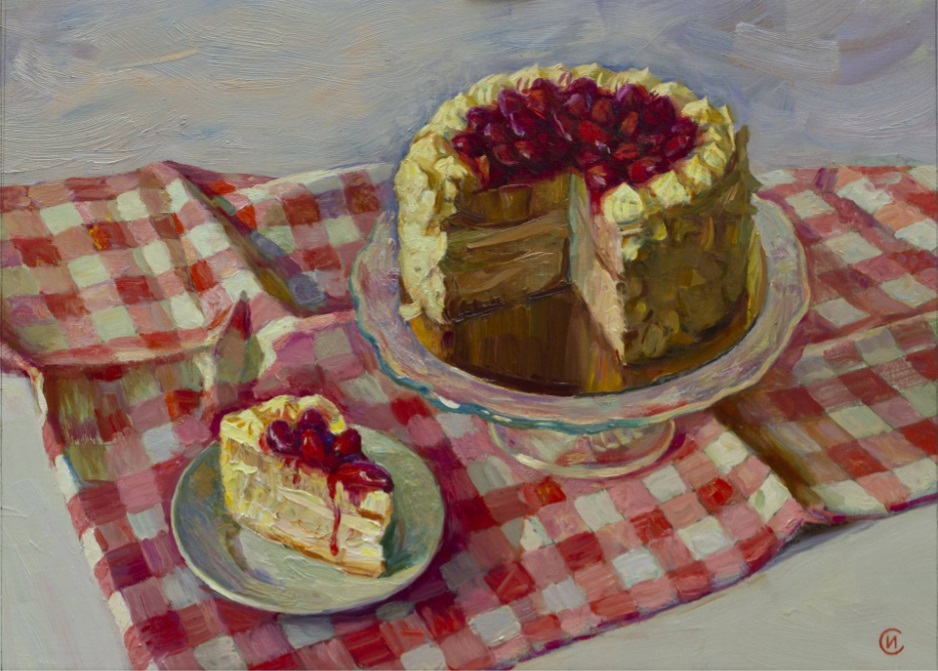
Imagine the game of football and all of its elements are a whole cake. Passing, dribbling, opposition, transition, size of pitch and everything else are the layers, toppings and fillings of the entire cake. When you go to have a slice of the cake you want to try the whole thing not just certain bits. This is what we are aiming for in ecological pedagogy. When we take a part of the game (a slice of cake), we want all of the key elements of the match (the whole cake) to be represented in our practice design. Then we can utilise constraints, challenges and/or objectives to highlight moments or focus on situations/scenarios of the game where the players will explore solutions both individually and as a group. The role of the coach is to prompt the players to think about what they saw before/during/after the action (attention), what they tried to do and why (intention) and then observing the learning process as the player adapts both of these after open questioning and guidance from the coach, their team mates and/or themselves.
Education of attention– a change to using and seeing a more useful, specifying source of information to control your movement
Education of intention– a change in the aspect of movement you are controlling
Calibration– change in the relationship between the two (attention and intention)
Being skilful is not a process of repeating a solution, it is repeating the process of finding a solution
Richard Shuttleworth @skillacq
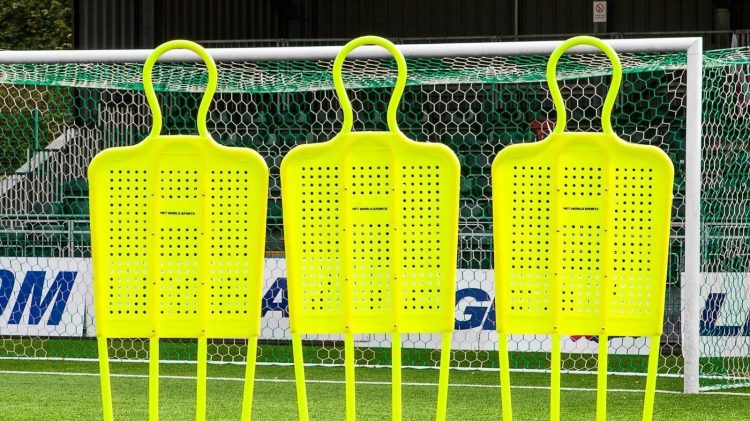
Only using decomposed and traditional practices are like just taking the icing of the cake. For example, practicing one focused element of the game while losing all the other relevant parts that influences the player’s decision making. In a previous article, I explore how mannequins are not ideal when learning combination play while highlighting the variables that will influence a player’s attention, intention and action including teammates. opposition, ball and space.
Utilise the constraints led approach and other ecological pedagogy and design practice to focus on one part of the game while leaving as many of the key elements of a match present.
What is needed in training?
Four components for a transferable practice
- Representative information
- Action fidelity
- Affordance landscape
- Emotional context
Representative information
So what is representative information? In football there is information on the pitch that will influence a player’s decision like where team mates are, where the ball is, where the opposition is and where space is. Players perceive the environment by picking up information to guide action (in accordance with their own action capabilities). In training, this information should be present in a relevant and similar way for there to be near transfer to match day. The players need to experience realistic force, direction and timing for an effective learning process.
The players need to feel and explore a representative environment to build knowledge in the game with contextual force, timing and and direction and that can only happen with representative information present in training.
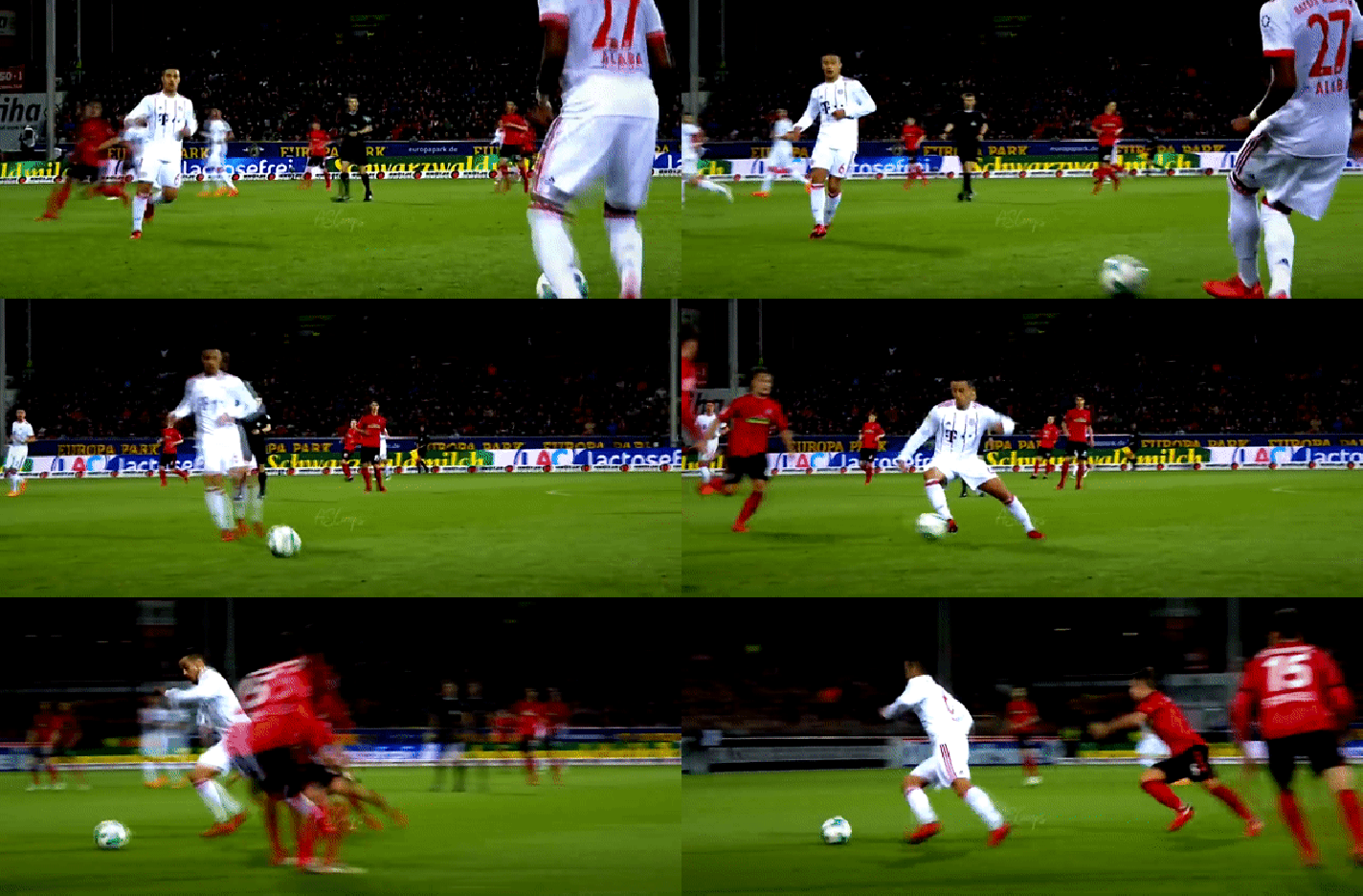
Force can come from the opposition pressing to regain possession or the speed and trajectory of a pass from a team mate. The timing will be present through the movement of team mates and opposition as well as when a pass is played or the type of touch a player takes. Finally, the direction will be represented by the goals or end zone players for team mates and opposition to orientate themselves in defensive and attacking phases of the practice. In addition to this, specifying practice is important when taking a slice of the cake. Understanding a phase or moment of a match and trying to replicate those key elements in training will increase the learning for the players.
Action fidelity
In this context, action means movement, and fidelity means the accuracy that something is copied. So action fidelity in transfer of training refers to the degree that action executed by the body in practice is similar to competition. Movement solutions encompass anything the body can do, in football this would include the technique a player chooses to perform a skill, the co-ordination of running or changing direction, jumping to win a header and everything else.
So how can this influence our session design? Relevant force, timing and direction in the practice are key elements for near transfer and we can create these from the task, opposition, team mates, area size and equipment present in the practice. For example, the size of the practice area will change the affordances (opportunities for action) the players can explore. A bigger area will allow for quicker and longer running speeds as well as positioning and managing risk to a higher level. Whereas a smaller area will give different affordances, quicker decision making, more of a focus on body shape when receiving, timing and force of pass, first touch direction will be heightened and jeopardy increases.
Affordance landscape
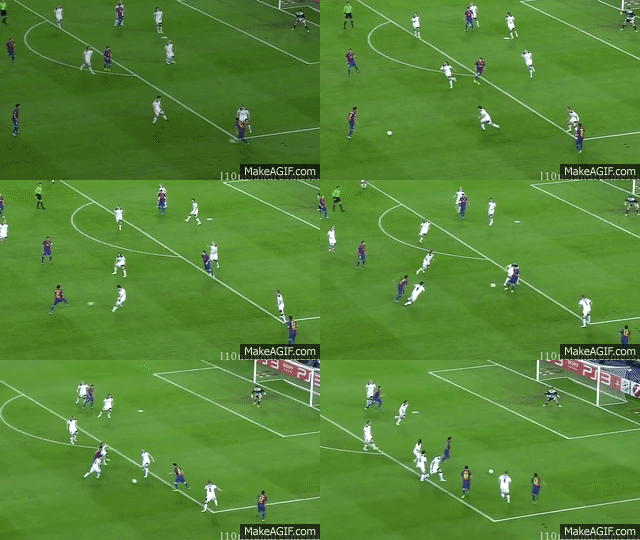
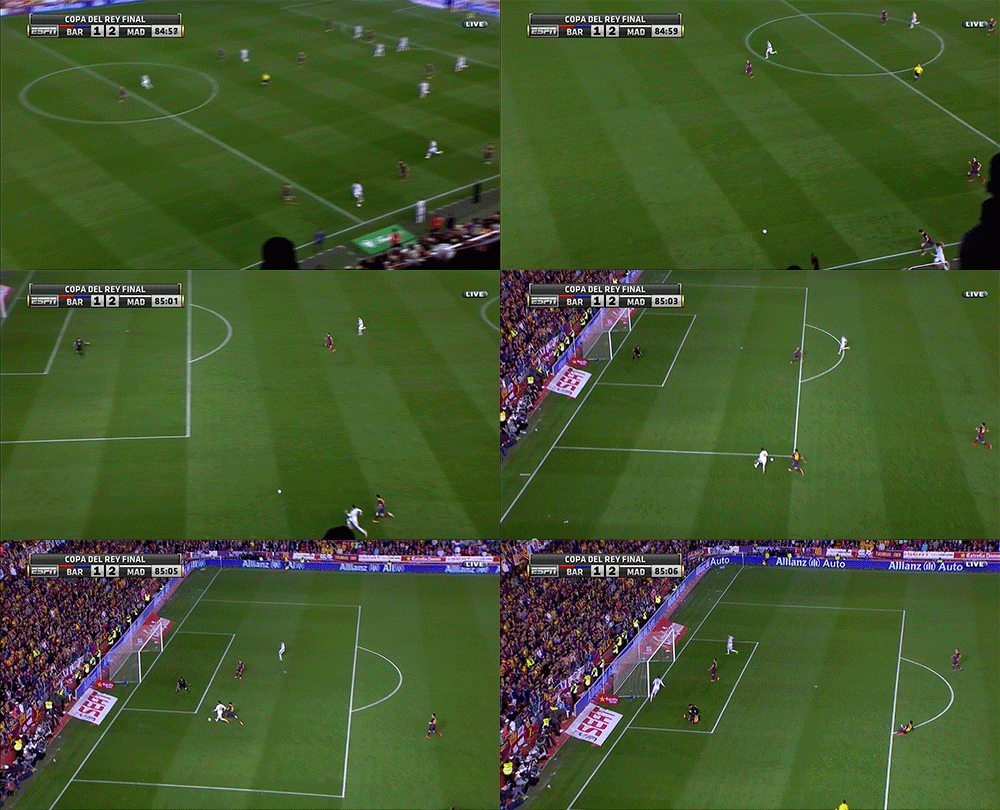
Affordance is the opportunity for action and the landscape is the environment the player is in (the pitch) including team mates, ball and opposition which will determine the space.
The environment needs to be dynamic and unpredictable, it is imperative the players experience the process of finding a solution and not given a predetermined answer. The environment should also be continuously adapting as the player interacts, i.e. the player not shooting first time and then having to adapt and look for a different opportunity for action. Affordances are appearing and disappearing because of how the athlete interacts with the current environment (controllable) and the changing environment – team mates, opposition (uncontrollable). Also, each athlete’s affordances are different and the practice should allow for independent differentiation. For example, a player who can dribble well will perceive different opportunity for action that someone who is a great passer of the ball. Choice and the opportunity for these actions need to be available for the players to explore and then the role of the coach is guide attention to a range of affordances to shape the player’s intentions.
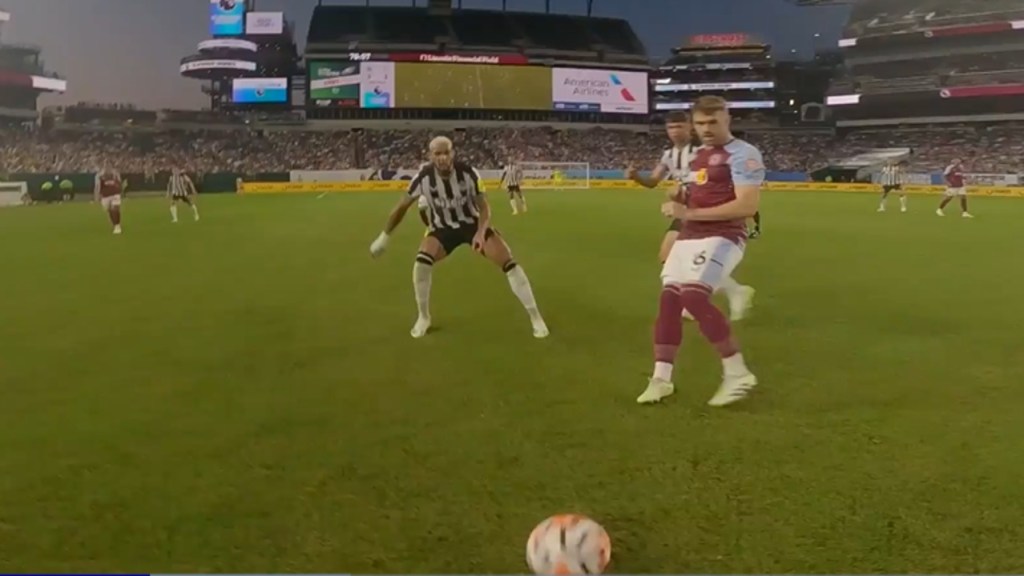
Practice design along with relevant constraints and challenges will provide an environment rich in opportunity for exploration. Remember we are trying to take a slice of the cake with all the layers, icing and toppings! There are ways we can scale back or increase the complexity and difficulty of the information through underload and overload design (adding or removing noise), i.e. 4v4 into a 4v2 for an in possession practice to give the players less noise, while keeping the relevant and influential elements of match day for near transfer.
Emotional context
We are trying to create similar (not exact) pressure and risk to evoke contextual emotion to match day. In competition, there is real failure and each decision has different value depending on the game state, the decision taken on match day will be better if the process of learning in training involves similar pressure and risk. We cannot replicate the pressures of a crowd or parents in training but through a variety of pressures the players will learn to be resilient and adaptable. This is what we are aiming for, players who can still be creative in a high pressured environment when the stakes are at their most important and the consequences of their actions mean far more.
Pressure, risk and jeopardy can be created and emerge in a plethora of ways and does not have to be exactly the same as the criterion task. We know players are inherently competitive and they feel failure if they misplace a pass regardless of the environmental pressures, our roles as coaches is to increase the noise (difficulty) in training so players are adaptable and resilient. Including extrinsic motivation like a trophy or a captaincy on the weekend is a great and fun way to increase desire to win in training but will also increase the value of each action and decision, keeping score is a strategy that is relevant and easy to implement especially within 1v1 or 2v2 scenarios and duels, setting quantitative targets to individuals for elements of intrinsic motivation.
Ultimately, we want risk and pressure present in practice design so players experience emotions relevant to competition in their learning process. We want resilient and adaptable players who can find success in every environment and context.


You can have your cake and eat it
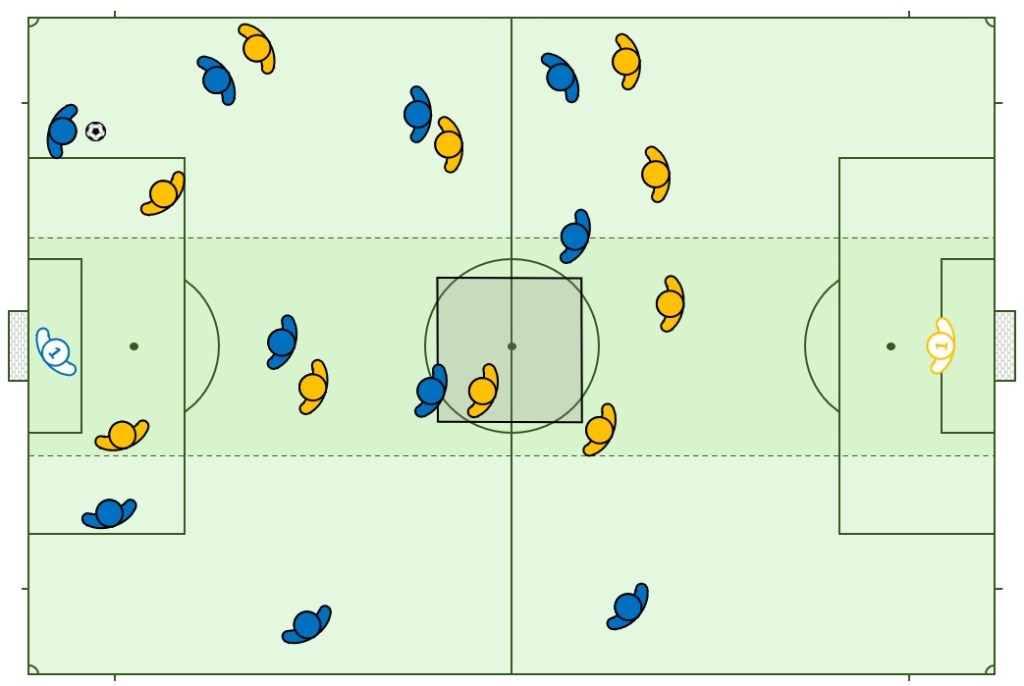
Below are two practice designs that will look at how we can utilise the CLA in an 11 v 11 session and then in a smaller 5 v 5 + 2 game. Practice principles should be considered for both practices and should only be used as guides for coaches to adapt depending on where the players are in their learning process. The implementation of individual challenges and the adaptation of constraints is the art of coaching, understanding the needs of the players and what will stretch them appropriately is so valuable. The readiness to change, add or remove challenges is the skill of a good coach and being observant to how the players are interacting with their environment will provide the information required. Evaluating the practice design to ensure near transfer we need emotional context
Practice principles
Focus on being compact and setting traps out of possession
Organisation
- Blue team vs Yellow team
- Team out of possession- to defend their end zone player (Yellow defends yellow end zone player)
- Team in possession- to try and play into opposite end zone player (Blue passes into yellow end zone player)
- Game continues when end zone player receives the ball but plays into own team
- Restart points- goal kick, throw in (deep and high), centre spot and rolling ball from coach
- Use of score for competition, set a scenario e.g. 1-0 down with 10 minutes left in the World Cup final, winning team get a prize etc
- Individual strategies-
- ‘Captain of defence’ – player to take responsibility of organising the defensive structure (more than 1 player and can be in different units)
- Try to intercept rather than tackle- highlight and focus on approach and setting a trap
- Duels- pair players from opposite team and ask them to keep score of times possession is regained by a tackle or interception
Recommended constraints/challenges
- (IP) Try to play through the middle area and pass to opposite end zone = 3 points otherwise = 1 point
- (IP) Try not to play back into own end zone player / Can only use own end zone player once in same phase
- (OOP) Try to defend across 2 vertical lanes / Can only defend across 2 lanes
- (OOP) Try to regain possession in a certain lane or middle area (set a trap) and play to opposite end zone player= 3 points
- (OOP) Addition of horizontal thirds as well as vertical thirds for defending team to play higher
The whole cake with a twist
With an 11 v 11 game the representation to match day is close and the key elements are present but within this we can utilise the constraints led approach to highlight problems for the players to solve. In the practice below the focus is on how the out of possession team can remain compact while setting traps to regain possession, the constraints in place ‘OOP team to try and defend across 2 lanes’ will guide the group to being compact and shuffle across to deny space, this will encourage a good first press nearest the ball to prevent the switch, the in possession team are given the incentive of trying to play through the middle area for extra points. Both of these will guide attention for individual and group also neither are mandatory, this empowers the players to explore and retains the realism of choice on match day.
A slice of the cake
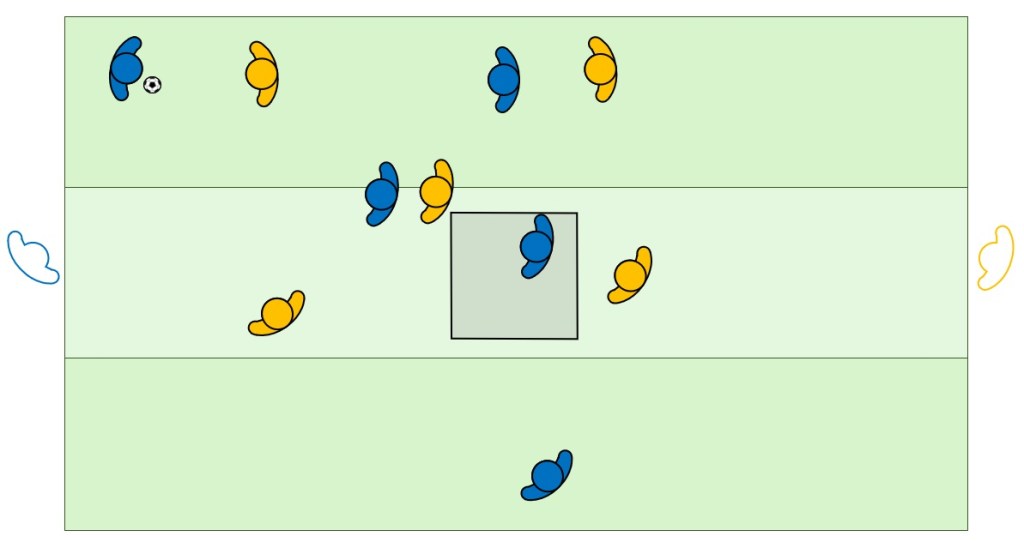
Smaller sided games will give the individuals more opportunities to find solutions but will obviously miss some elements of representation we would see on match day. No goal, no goal keeper, less players but the key elements are present for the learning process. The timing, force and direction to what they would face in competition are present therefore the affordances the players experience are close to match day.
Below are some questions you can take with you and ask yourself about your own practice design. I use these as often as possible and will prompt my thinking towards a more representative practice during the planning phase as well as during and after the session has happened when observing or reflecting.
Questions to ask yourself about your practice and score out of 5 (1= low / 5= high)
- Does the practice/objective detail specific purpose? What is the purpose?
- Is the present information (B.O.T.S.) in play what it is like in the game?
- Does the practice require the player to make decisions?
- Does the practice require the player to adapt their intentions?
- Does the practice require the player to adapt their movement solution (skill/technique/action)?
- Does the practice provide an appropriate level of challenge to the players?
- Are the practice dynamics, the direction, the timing and the force like what is required in the game?
- Does the practice induce pressure or emotional reactions to the player?
Conclusion
Looking back to Part 1, transfer in the context of sports training, refers to the gain or loss in the capability to perform a specific task as a result of practicing a different task. There are two main types of transfer: near transfer and far transfer. Near transfer involves training tasks that closely resemble the actual competition, facilitating effective learning and performance. Far transfer, on the other hand, involves practicing tasks that have significantly less of the key elements from the competition, making it challenging for skills to transfer seamlessly.
The effectiveness of transfer depends on several key elements in practice design. Representative information is creating a training environment that closely mirrors the conditions of the actual game, including factors like space, teammates, opponents, and of course, the ball. The role of the coach is to highlight the player’s attention and intention through guidance and prompting thought then observing the player while they calibrate their cognitive and physical solution independently. Action fidelity emphasises replicating the movements and techniques used in competition during practice. Affordance landscape involves creating a dynamic and unpredictable environment that allows players to explore various actions and solutions. Emotional context aims to simulate the pressure and risk experienced in a real game, fostering resilience and adaptability in players.
Two practice design examples, one for an 11 v 11 session and another for a smaller 5 v 5 + 2 game, are presented. These designs incorporate the principles of Constraint-Led Approach (CLA) to create a training environment that promotes near transfer by including representative information, action fidelity, affordance landscape, and emotional context. The goal is to ensure that players experience similar timing, direction and force in training as they would in an actual match, fostering adaptability and success in various contexts.
Bibliography
Correira, V., Carvalho, J., Araujo, D., Pereira, E., and Davids, K., (2018). Principles of nonlinear pedagogy in sport practice. Physical education and sport pedagogy, 24 (2), 117-132.
Ep.468 – Representative Learning Design & The Ecological Approach to Transfer of Training, Rob Gray, The Perception Action Podcast
Special thanks to Dr. Mark O’Sullivan for advice and feedback prior to publishing
 the Raumdeuter.
One thought on “Part 2: Straight from the training ground”